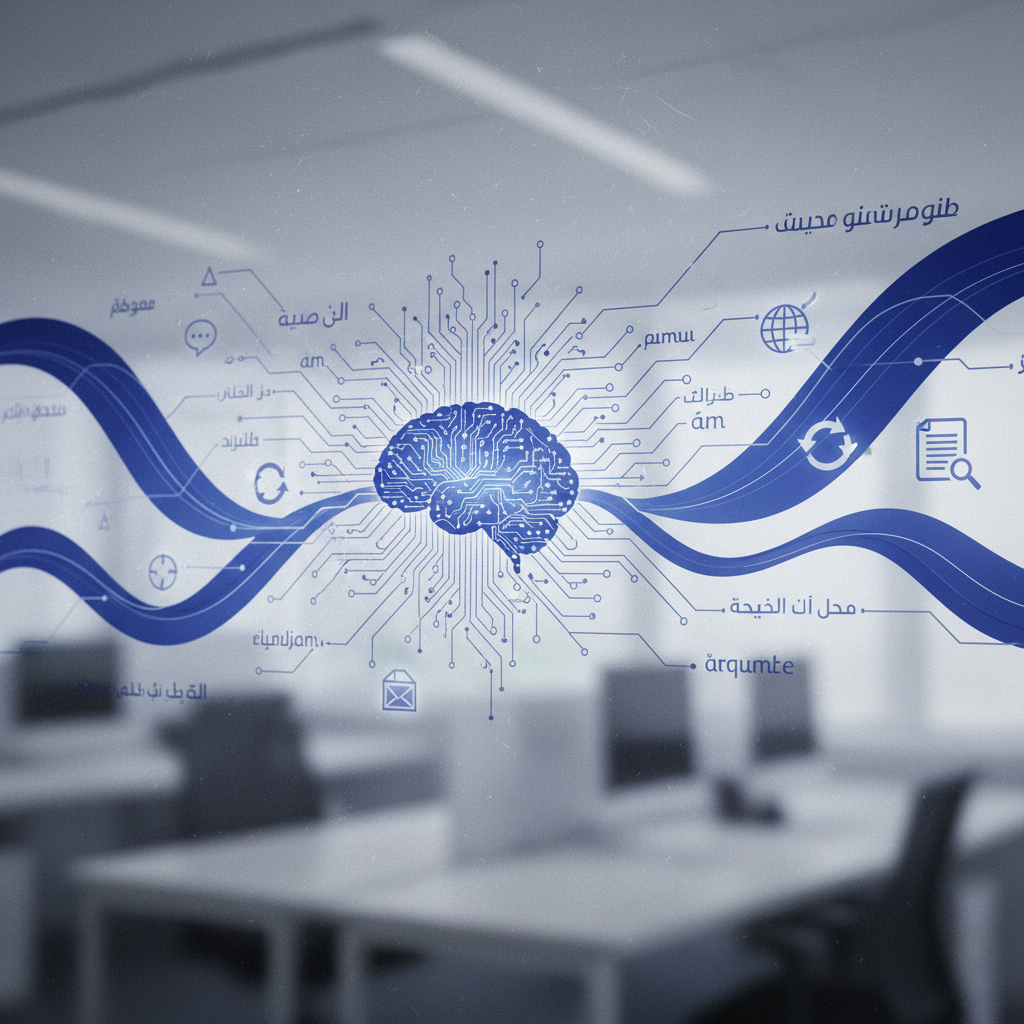
The release of new Natural Language Processing (NLP) models has marked a significant milestone in the journey towards achieving human-like understanding and generation of language by machines. These advanced models have revolutionized how machines interpret and interact with human language, bringing us closer to seamless human-computer communication.
Compared to their predecessors, the new generation of NLP models boasts remarkable improvements in several key areas:
- Contextual Understanding: Modern NLP models have a deeper understanding of context, allowing them to grasp the meaning of words in relation to the surrounding text. This leads to more accurate interpretations and responses.
- Coherence: These models generate text that is not only relevant but also coherent over longer stretches of text, maintaining a logical flow and consistency.
- Multilingual Capabilities: Enhanced multilingual support enables these models to understand and generate text in multiple languages, breaking down language barriers.
- Nuanced Language Handling: They are now better at understanding idioms, colloquialisms, and implied meanings, enriching the interaction between humans and machines.
These advancements have paved the way for practical applications across various domains, including:
- Chatbots: Offering more natural and engaging conversations.
- Translation: Providing more accurate and contextually appropriate translations.
- Content Creation: Assisting in generating original and high-quality content.
- Code Generation: Helping developers by generating code snippets from natural language descriptions.
- Information Retrieval: Enhancing search engines to understand queries better and provide more relevant results.
Despite these advancements, challenges remain. Issues such as inherent biases, hallucinations (generating incorrect or misleading information), and the need for human oversight to ensure accuracy and appropriateness are still prevalent. As NLP technology continues to evolve, addressing these limitations will be crucial for further improvements.
Looking ahead, the future of NLP research and deployment appears promising, with ongoing efforts to make models more reliable, unbiased, and capable of understanding even more complex aspects of human language. The journey towards fully understanding human language is ongoing, but the latest models have brought us significantly closer to this goal.
About the Author