
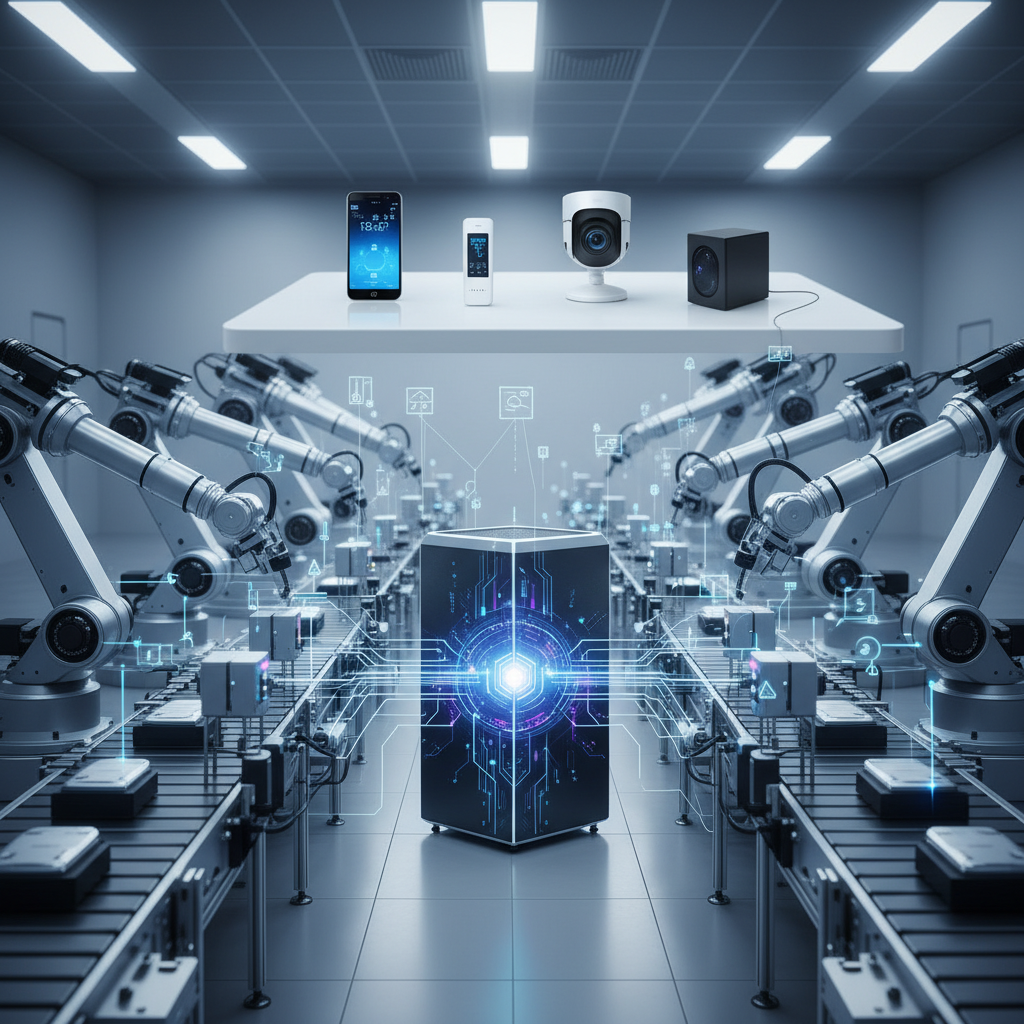
Edge AI signifies a transformative shift in how artificial intelligence is deployed, bringing the power of AI directly to devices like smartphones, sensors, cameras, and IoT devices. By running AI models on the device itself, edge AI enables real-time data processing, enhancing efficiency and functionality without the need for constant cloud connectivity.
This paradigm shift is crucial for several reasons. Lower latency is a standout benefit, allowing for immediate decision-making and actions, such as unlocking your phone with facial recognition or real-time language translation. Enhanced privacy and security come from data being processed locally, reducing the risk of exposure during transmission to the cloud. Moreover, edge AI significantly cuts down on bandwidth usage, a boon for areas with limited connectivity, and ensures devices remain functional and intelligent even when offline.
Practical examples of edge AI are already part of our daily lives. Smart home devices like thermostats and security cameras make decisions based on real-time data. Predictive maintenance in factories uses sensors to monitor equipment health, preventing costly downtimes. Health monitoring devices on our wrists analyze vital signs without sending data away, and autonomous vehicles make split-second decisions using on-board AI.
However, deploying AI at the edge does not come without its challenges. Limited computing power and energy resources on small devices require innovative solutions. Model optimization techniques, such as model compression, and the development of specialized hardware, like AI accelerators, are pivotal in overcoming these obstacles.
Looking ahead, edge AI is set to redefine the landscape of intelligent devices. As technology progresses, we can anticipate a new generation of products that are not only more responsive and user-friendly but also smarter and more privacy-focused. Edge AI promises to usher in an era of unparalleled interactivity and efficiency, reshaping our experiences with technology.
About the Author