Artificial Intelligence (AI) agents are revolutionizing the way we interact with digital ecosystems, offering an unprecedented level of automation, personalization, and efficiency. These agents, powered by sophisticated machine learning models, are designed to perform tasks or services for an individual or a system. Understanding the nuances of AI agent tools, including their architectures, use cases, and the diversity of implementations across major global providers, is crucial for developers and businesses alike.
What Are AI Agents?
AI agents are autonomous or semi-autonomous entities that can gather information, make decisions, and act upon them to achieve specific goals. They operate within an environment, reacting to changes and learning from interactions. These agents range from simple rule-based algorithms to complex neural networks capable of deep learning and natural language understanding.
Typical Architectures
The architecture of an AI agent typically includes planners, tools, memory, and, in more sophisticated systems, multi-agent systems (MAS). Planners enable the agent to decide the best course of action to achieve its goals. Tools refer to the capabilities the agent can utilize to execute tasks, such as natural language processing or data analysis. Memory allows the agent to retain and leverage past experiences, enhancing its decision-making process over time. MAS enables multiple agents to work together, sharing knowledge and tasks to solve complex problems that would be difficult for a single agent to handle.
Common Use Cases
AI agents find application across a wide range of sectors, including customer support (through chatbots and virtual assistants), coding assistance (offering real-time suggestions and bug fixes), workflow automation (streamlining business processes), and data analysis (providing insights from large datasets).
Western Providers’ Implementations
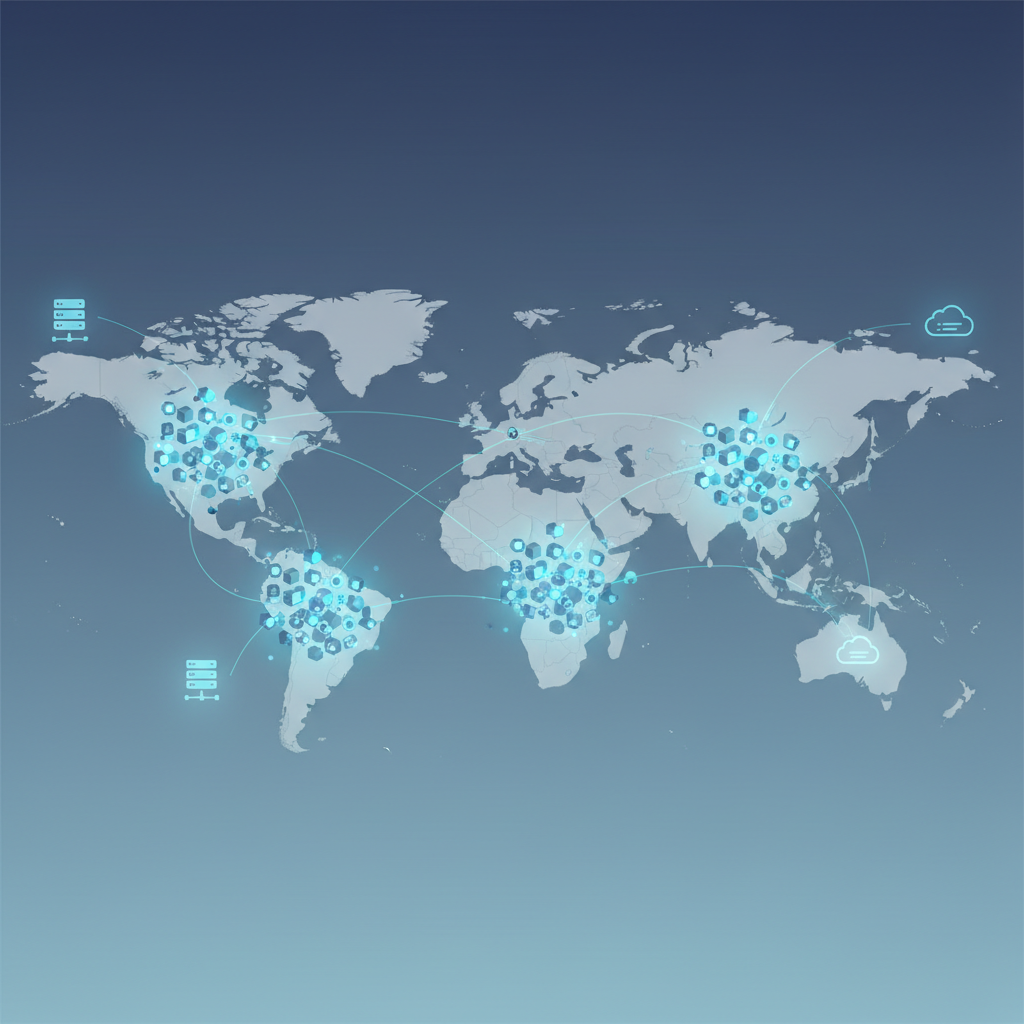
Major Western AI providers such as OpenAI, Anthropic, Google, Microsoft, and Meta have developed robust ecosystems for AI agents. These ecosystems are characterized by a mix of APIs, orchestration frameworks, and integrated products designed to deliver advanced AI capabilities. OpenAI, for example, exposes its agents through easy-to-use APIs, enabling developers to integrate conversational agents or automation tools into their applications. Google and Microsoft, on the other hand, offer comprehensive frameworks and cloud services that support the development and deployment of AI agents across various platforms.
Chinese Platforms and Ecosystems
Chinese AI ecosystems, led by companies such as DeepSeek, Baidu, Alibaba, Tencent, and iFlytek, offer a unique blend of agent capabilities, integration with local developer tools, and cloud platforms. These providers have tailored their offerings to meet the specific needs of the Chinese market, including local language support, compliance with regulatory requirements, and integration with China’s digital infrastructure. Notably, the approach to AI agent development in China often emphasizes mobile and web applications, reflecting the widespread adoption of mobile tech in the country.
Choosing Between Providers
For developers looking to implement AI agent tools, several factors must be considered, including latency, cost, data residency, compliance, and language/localization support. The choice between Western and Chinese providers may also be influenced by the specific requirements of the target market and the regulatory environment. Ultimately, the decision should be based on a thorough evaluation of the provider’s capabilities, ecosystem compatibility, and the developer’s own technical and business needs.
About the Author