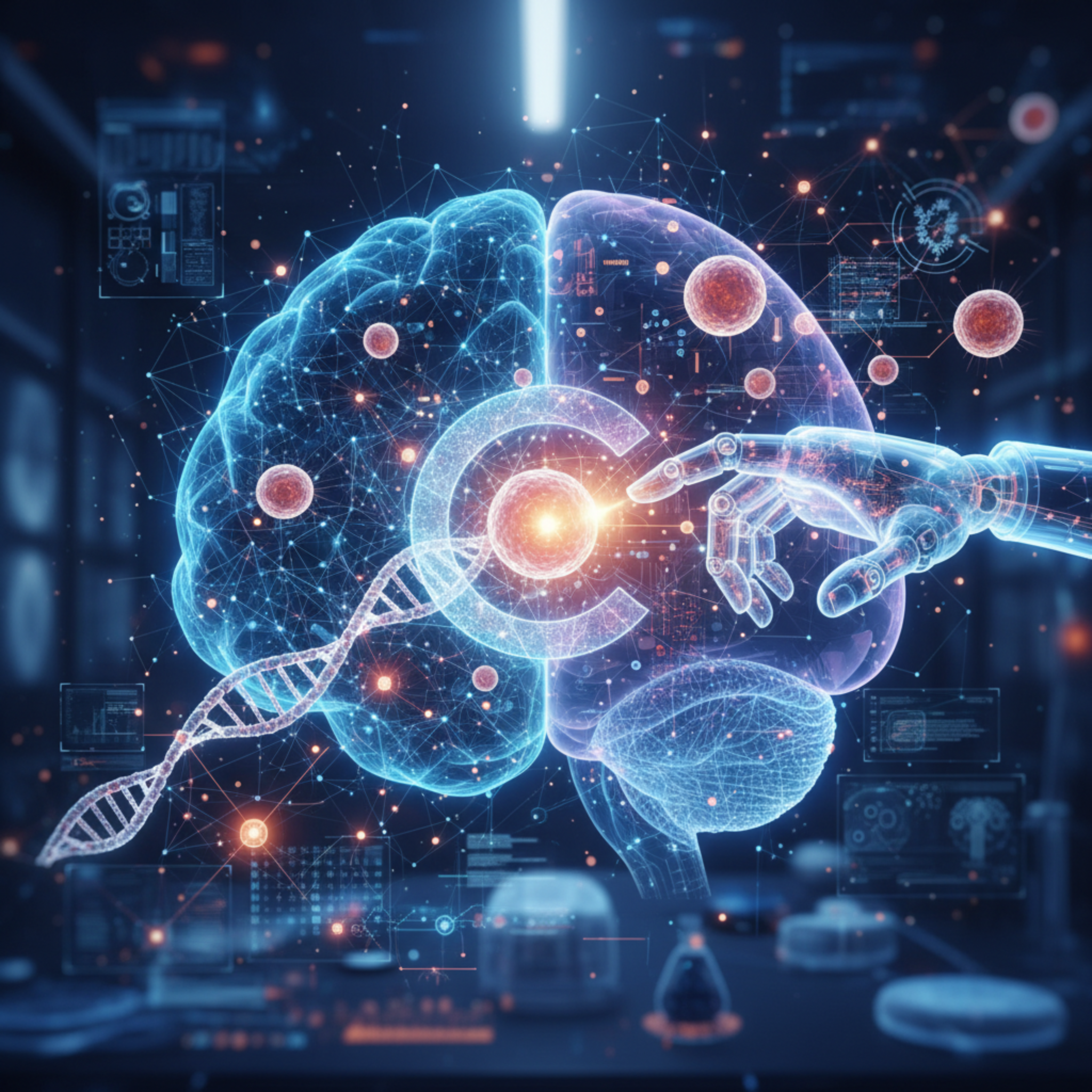
The integration of Artificial Intelligence (AI) in cancer research heralds a new era of precision medicine, offering groundbreaking ways to diagnose, treat, and understand one of humanity’s most persistent adversaries. Through the analysis of vast datasets, AI algorithms can identify patterns and correlations beyond human capability, leading to earlier and more accurate diagnoses. In treatment, AI is instrumental in developing personalized medicine, tailoring treatment plans to the genetic makeup of an individual’s cancer. Moreover, AI’s predictive models are revolutionizing cancer prognosis, offering more accurate survival rates and potential treatment outcomes. AI’s role extends to drug discovery, significantly reducing the time and cost associated with developing new cancer treatments. As AI technology continues to evolve, its application in cancer research promises not only more effective management of the disease but also a potential increase in survival rates, marking a significant leap forward in oncology.
About the Author