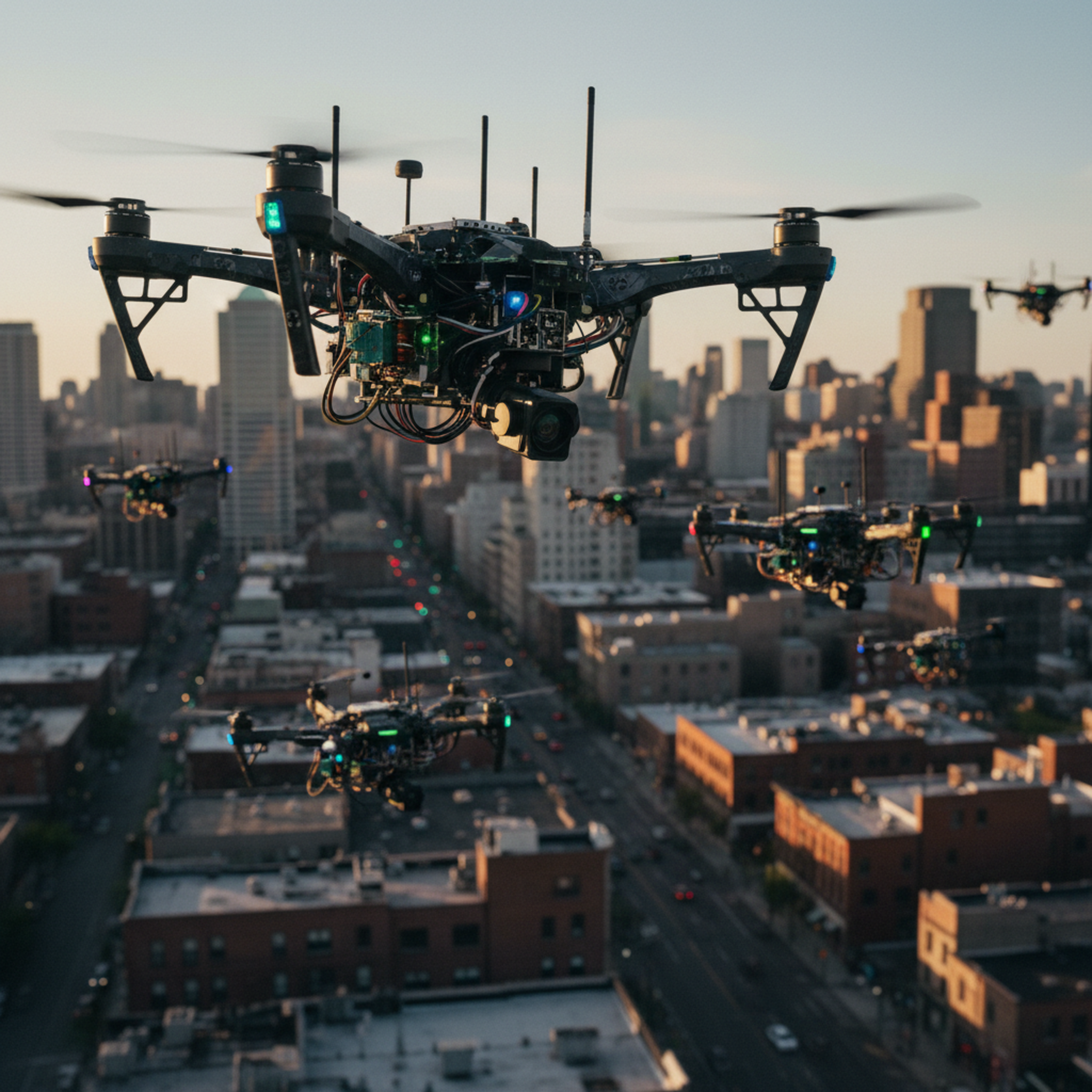
In recent years, the integration of advanced artificial intelligence (AI) into drone technology has led to the emergence of what experts are calling ‘swollen intelligence.’ This term describes the enhanced capabilities of drones that are equipped with AI systems capable of processing vast amounts of data in real-time, enabling them to perform complex tasks with unprecedented precision and autonomy.
Swollen intelligence in drones is transforming a myriad of sectors, from agriculture, where they are used for crop monitoring and pest control, to defense, where autonomous drones can carry out surveillance and targeted missions without direct human intervention. The technology is also making strides in disaster response, allowing drones to navigate hazardous environments to locate survivors or assess damage.
However, the rise of swollen intelligence in drone systems is not without its challenges. Concerns over privacy, security, and ethical implications of autonomous decision-making by drones are prompting calls for stringent regulations. As the technology continues to evolve, the debate over how to balance innovation with accountability remains at the forefront of discussions in the drone industry.
Despite these challenges, the potential benefits of swollen intelligence in drones are undeniable. With ongoing advancements, these intelligent machines are set to redefine the capabilities of unmanned aerial vehicles, making them more efficient, versatile, and indispensable tools for the future.
About the Author