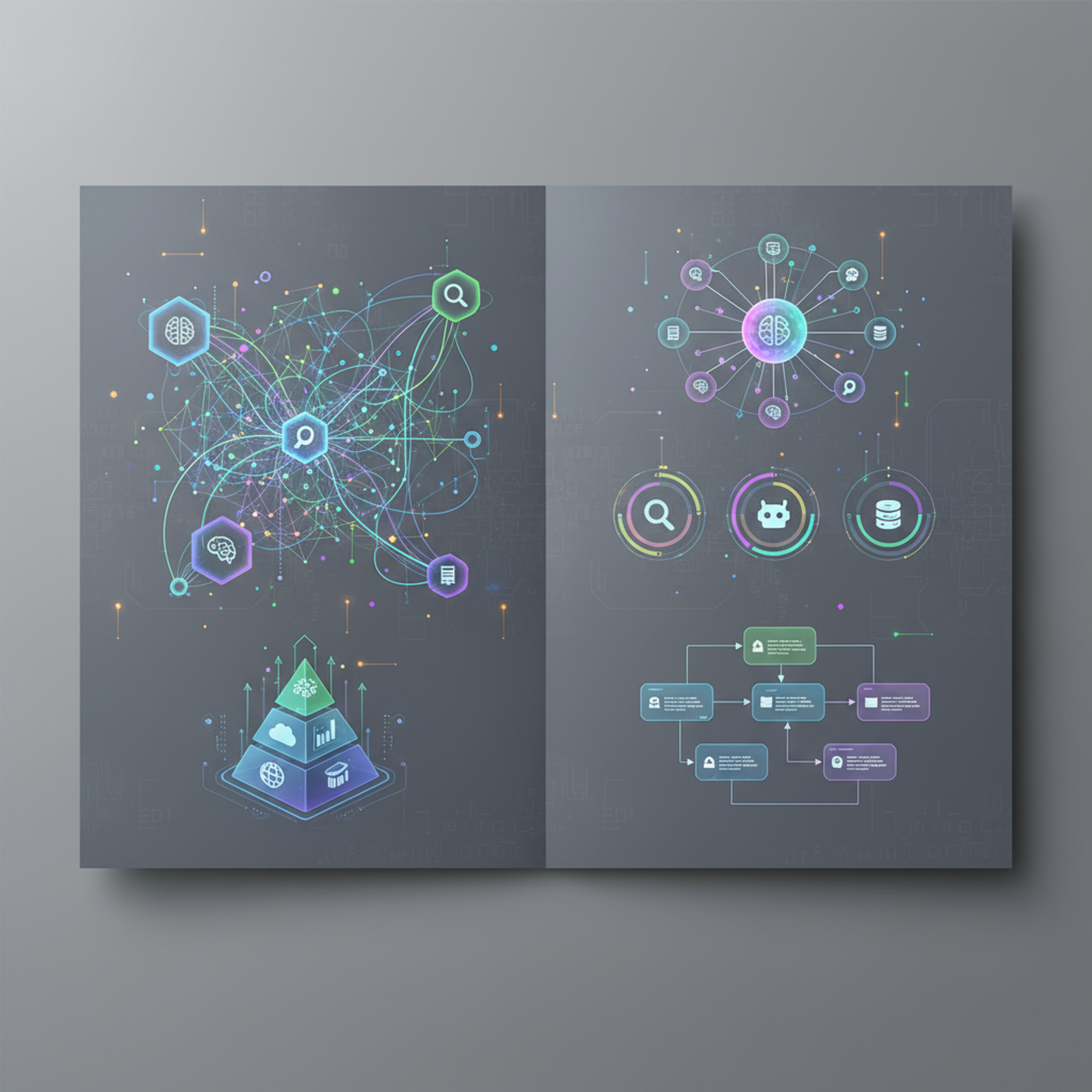
In the rapidly evolving field of artificial intelligence (AI), knowledge graphs have emerged as a cornerstone technology, enabling machines to understand and process human knowledge in more sophisticated ways. A knowledge graph is essentially a large network of interconnected data points that represent objects, concepts, and events, along with their interrelated properties and categories. This graph-based data structure allows AI systems to leverage complex relationships and insights, which can significantly enhance their learning capabilities and decision-making processes.
By integrating knowledge graphs, AI can achieve a more nuanced understanding of context and semantics, bridging the gap between human cognition and machine processing. These graphs facilitate a range of AI applications, from enhancing search engines and personalizing user experiences to powering recommendation systems and enabling advanced natural language understanding. As AI continues to advance, the role of knowledge graphs in unlocking the full potential of machine intelligence cannot be overstated, marking a pivotal step towards more adaptive, intelligent, and context-aware systems.
About the Author