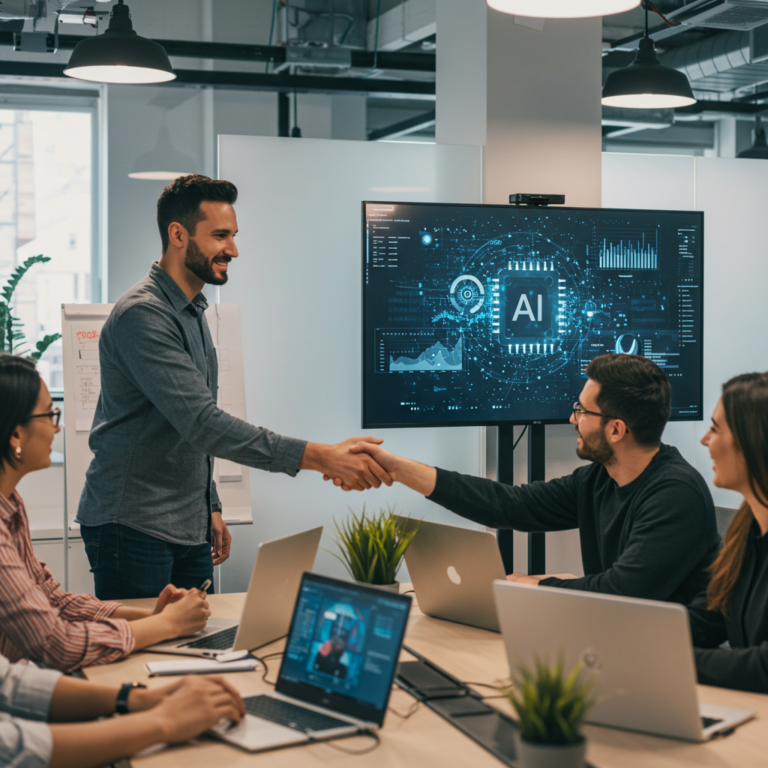
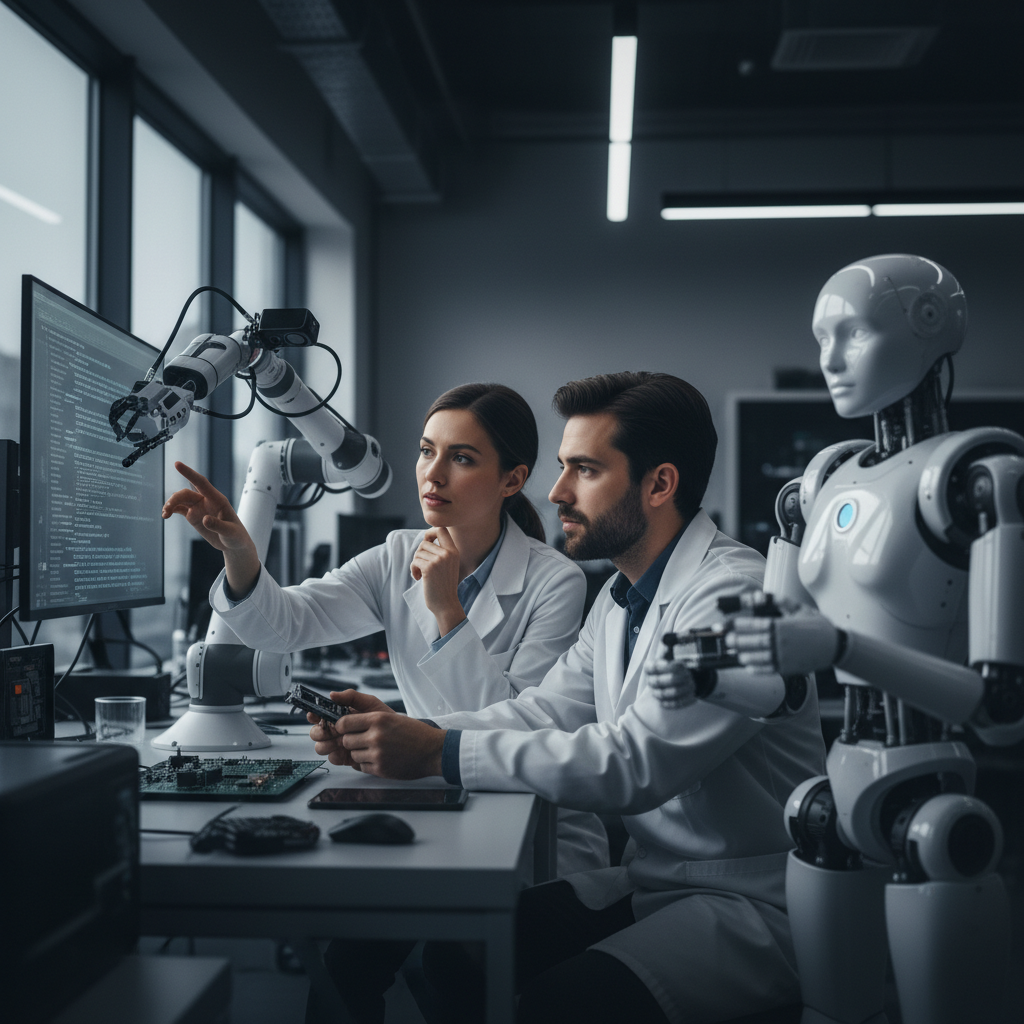
As we stand on the brink of a technological revolution, the fields of Artificial Intelligence (AI) and robotics continue to evolve at an unprecedented pace, promising to reshape our world in ways we are only beginning to understand. This article explores the latest developments in AI and robotics, their potential impact on various sectors, and the ethical considerations that accompany such rapid advancement.
The integration of AI and robotics has led to significant innovations in healthcare, manufacturing, and service industries, enhancing efficiency and creating solutions once thought impossible. However, this transformation also raises important questions about job displacement, privacy, and security. As AI systems become more autonomous and robots more sophisticated, the line between human and machine labor blurs, necessitating a reevaluation of our economic structures and employment strategies.
Furthermore, the ethical implications of AI and robotics cannot be overstated. From concerns about bias in AI algorithms to the moral responsibility of autonomous systems, society must confront these challenges head-on, ensuring that technology serves humanity’s best interests. As we navigate this new frontier, a multidisciplinary approach involving experts from various fields will be crucial in guiding the responsible development and deployment of AI and robotics technologies.
In conclusion, while AI and robotics offer immense potential for progress, their successful integration into society requires careful consideration of the societal, ethical, and economic impacts. By fostering a collaborative environment where technology and humanity coexist in harmony, we can unlock the full potential of these innovations for the betterment of all.
About the Author