
Vision-Language-Action (VLA) models represent an exciting advancement in artificial intelligence, merging the capabilities of visual perception, natural language processing, and action planning. This innovative approach enables machines to understand and interact with the physical world in ways that were previously unimaginable. By integrating these three domains, VLA models can interpret visual data, comprehend language, and execute actions based on the synthesis of this information, laying the groundwork for more autonomous and intelligent systems.
Recent developments in VLA models have seen significant improvements across several fronts. Advances in grounding language in physical environments allow these models to better understand and respond to natural language instructions within specific contexts. This has been crucial for enhancing the models’ ability to generalize to new tasks without extensive retraining. Additionally, the integration with large language models has supercharged VLA models’ language understanding capabilities, enabling more complex and nuanced interactions with the world.
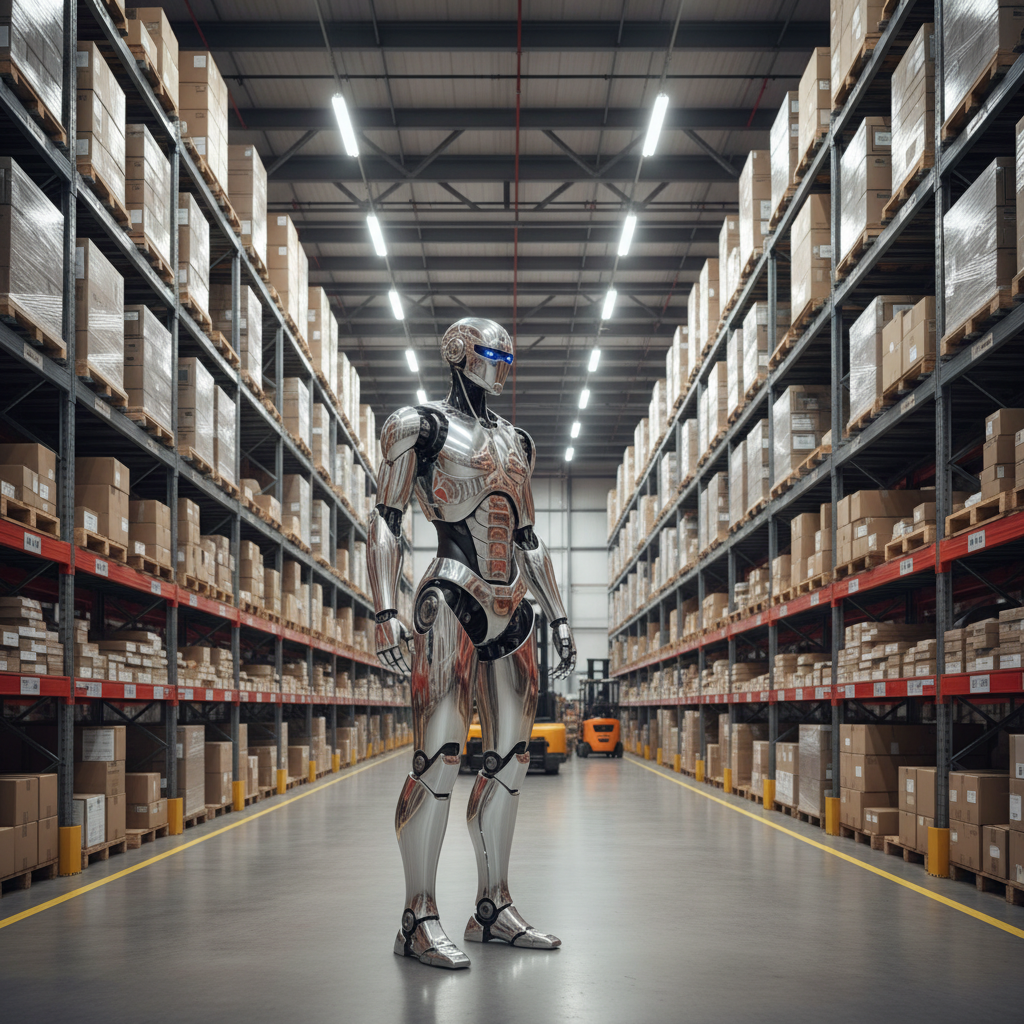
Concrete examples of VLA model applications include robotics, where they are used to navigate and manipulate objects in diverse environments; warehouse automation, where they streamline operations by picking, sorting, and organizing inventory; and household assistance, where they contribute to the development of robots that can perform a variety of chores and tasks. These applications not only demonstrate the practical utility of VLA models but also highlight their potential to revolutionize industries by enhancing efficiency and autonomy.
Looking forward, the field of VLA models faces challenges such as improving the models’ ability to deal with unpredictable real-world scenarios and further enhancing their generalization capabilities across different tasks and environments. However, the opportunities are vast, with potential advancements promising even greater integration with human activities and decision-making processes. As research and development progress, VLA models are set to play a pivotal role in the future of robotics and AI, transforming our approach to automation and intelligent systems.
About the Author